
An uneasy feeling can be useful information, but it does not explain itself. It might reflect a preference, a concern you have not named, uncertainty, fatigue, a past experience, or a practical risk worth checking. There is no single body sensation or quick test that can prove “this is intuition” or “this is anxiety.”
Instead of trying to label the feeling with certainty, use it as a cue to slow down and examine the decision. The short process below separates what you know from what you fear, identifies information you still need, and helps you choose a next step that fits the stakes.
Why a feeling alone cannot settle a decision
“Trust your gut” can be a useful reminder to notice discomfort, especially if something feels off. But a strong or quiet feeling is not proof that a prediction is true. Anxiety can highlight a real uncertainty; confidence can also coexist with a poor assumption. A body reaction alone cannot establish what another person intends or what will happen next.
For recurring worries, the NHS suggests writing concerns down, distinguishing practical problems from hypothetical ones, and making a specific plan when there is an action available. We adapt that idea here as a decision aid—not as a way to diagnose anxiety or certify intuition. NHS: Tackling your worries.
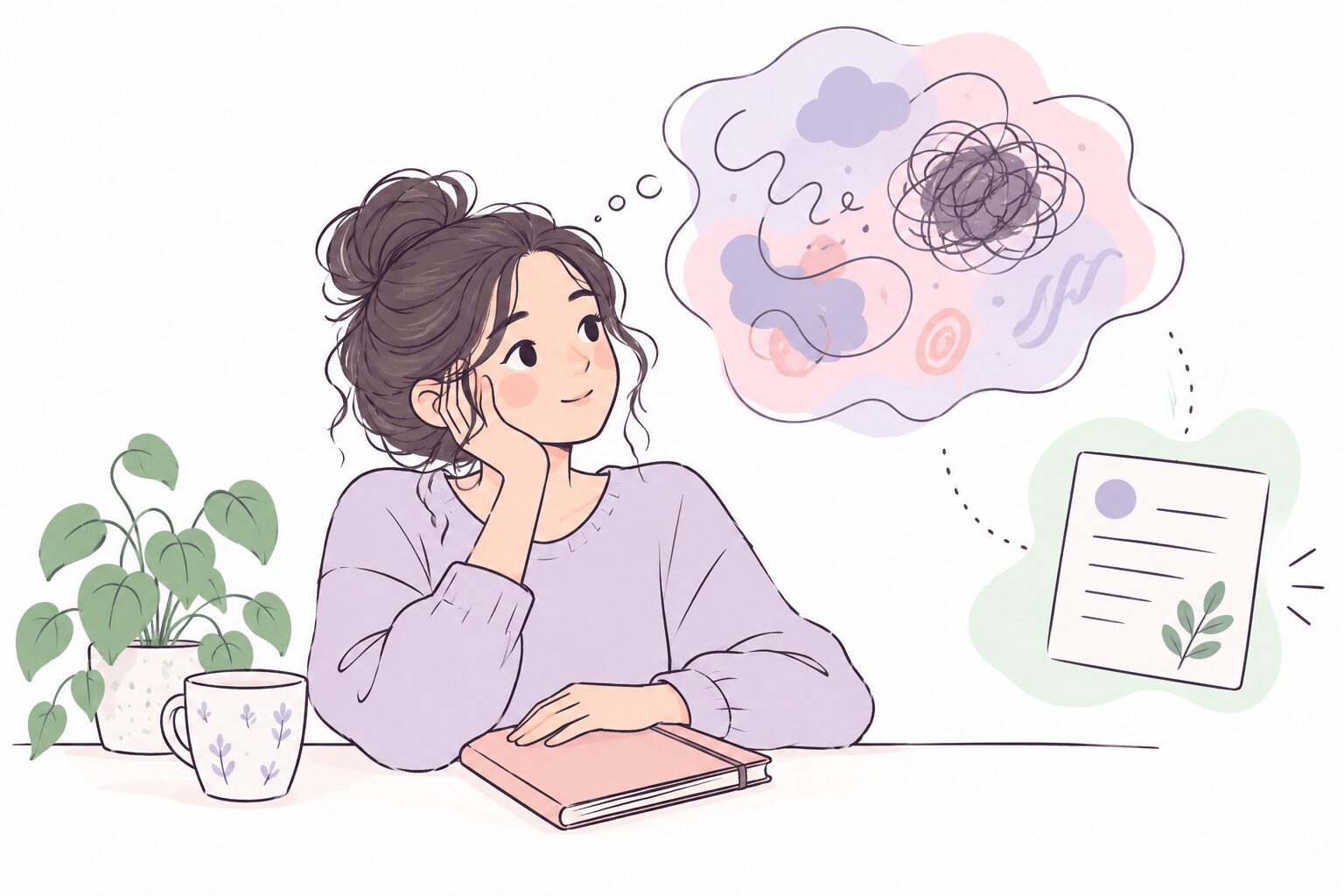
A four-step decision check
1. Name the decision in one sentence
Replace “something feels wrong” with the choice in front of you: “Do I accept this project?” or “Should I ask for more time?” If there is immediate danger or pressure to act before you can think, focus on safety and contact someone you trust or an appropriate local service.
2. Separate facts, interpretations, and unknowns
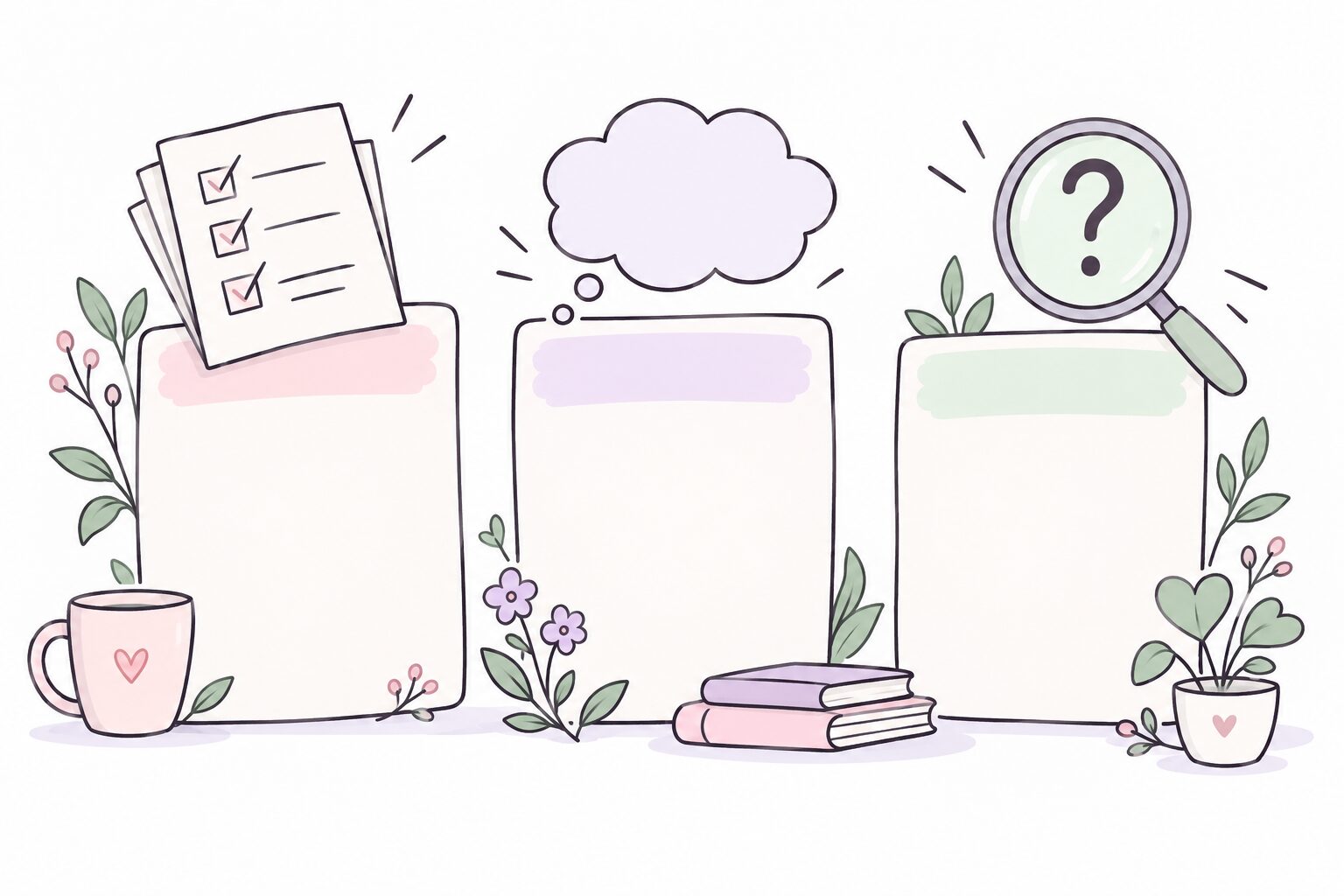
Write three short lists. Facts are directly known. Interpretations are explanations you are considering. Unknowns are details you could ask about or verify. This is not an exercise in dismissing a concern; it is a way to see which parts need evidence.
3. Check the stakes and reversibility
Ask how costly a wrong choice would be, how soon you must decide, and whether you can change course later. A reversible, low-stakes choice may only need a small experiment. A high-stakes or hard-to-reverse choice deserves more time, information, and perhaps a conversation with a qualified adviser.
4. Choose the next information-gathering step
You may not need to decide today. A useful next move could be asking a direct question, reviewing the written terms, sleeping on a non-urgent choice, or setting a time to revisit it. Set a boundary around the check so it does not become endless research: for example, “I’ll ask these two questions, then decide by Thursday.”
Worked example: deciding whether to accept extra work
Feeling: “I tense up when I think about saying yes.” Fact: Two deadlines already fall this week. Interpretation: “If I decline, everyone will think I’m difficult.” Unknown: Whether the new task can be moved or shared. Next step: Ask the manager what should take priority and when the new task is truly needed. The tension is worth noticing; it does not, by itself, prove that accepting or declining is the right choice.
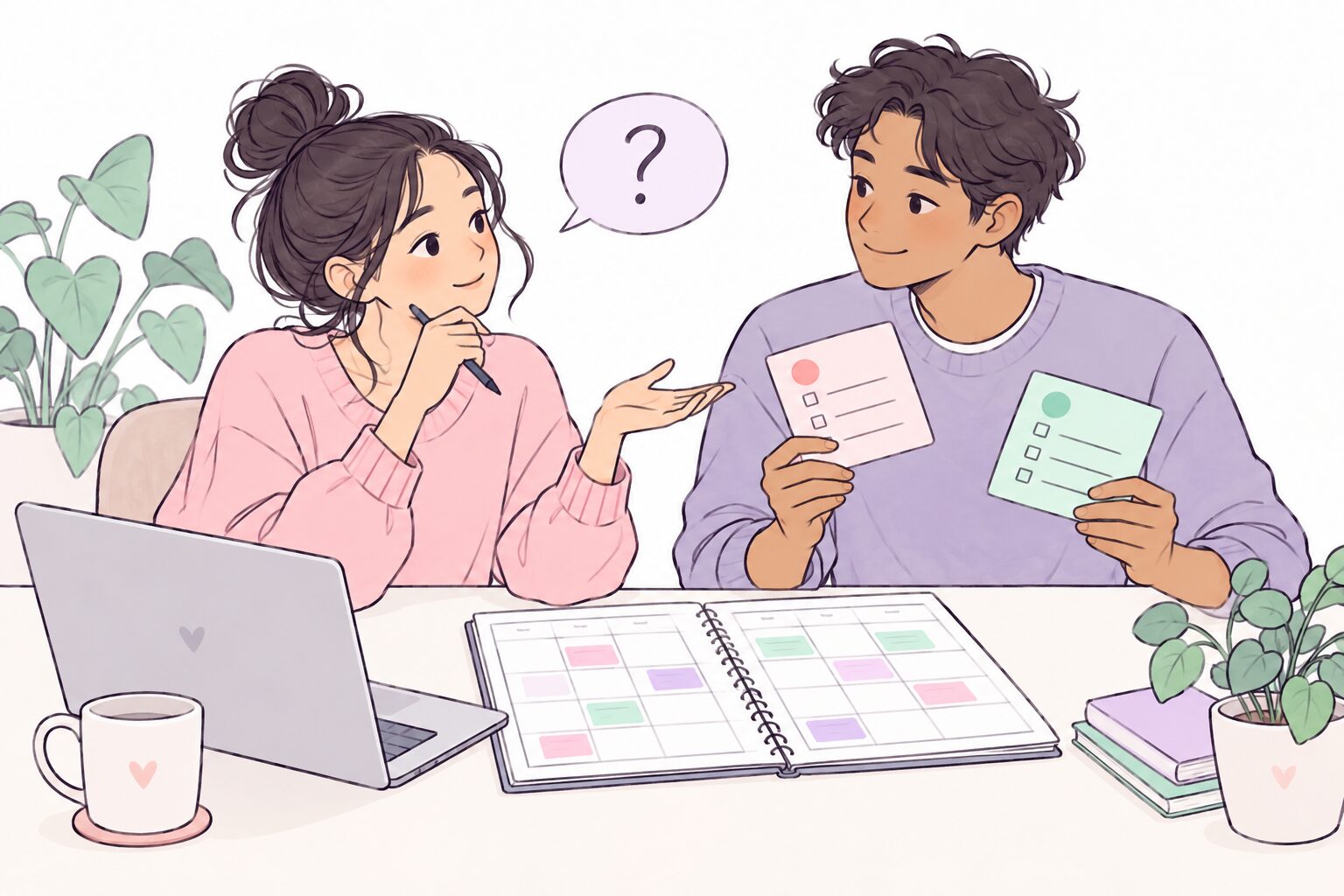
When the question is bigger than one decision
If worry repeatedly disrupts sleep, work, relationships, or daily routines, a journal exercise may not be enough. Consider speaking with a qualified mental-health professional or health service. This guide cannot assess anxiety, trauma, safety, or another person’s intentions. If you are in immediate danger, seek urgent help through local emergency services.
For a short written exercise when self-criticism is adding pressure, see our self-compassion journal prompts. If the decision is about a task you keep avoiding, our guide to finding a practical first step uses a different checklist.
Let the feeling prompt a check, not a verdict
Notice what you feel, write down what you know, identify what remains uncertain, and choose one proportionate next step. You may end up accepting the feeling’s warning, revising it, or deciding that more information is needed. The useful outcome is a clearer decision process—not certainty about the label.